
Drywall Repair in the Twin Cities: 20 Homeowner Questions Answered
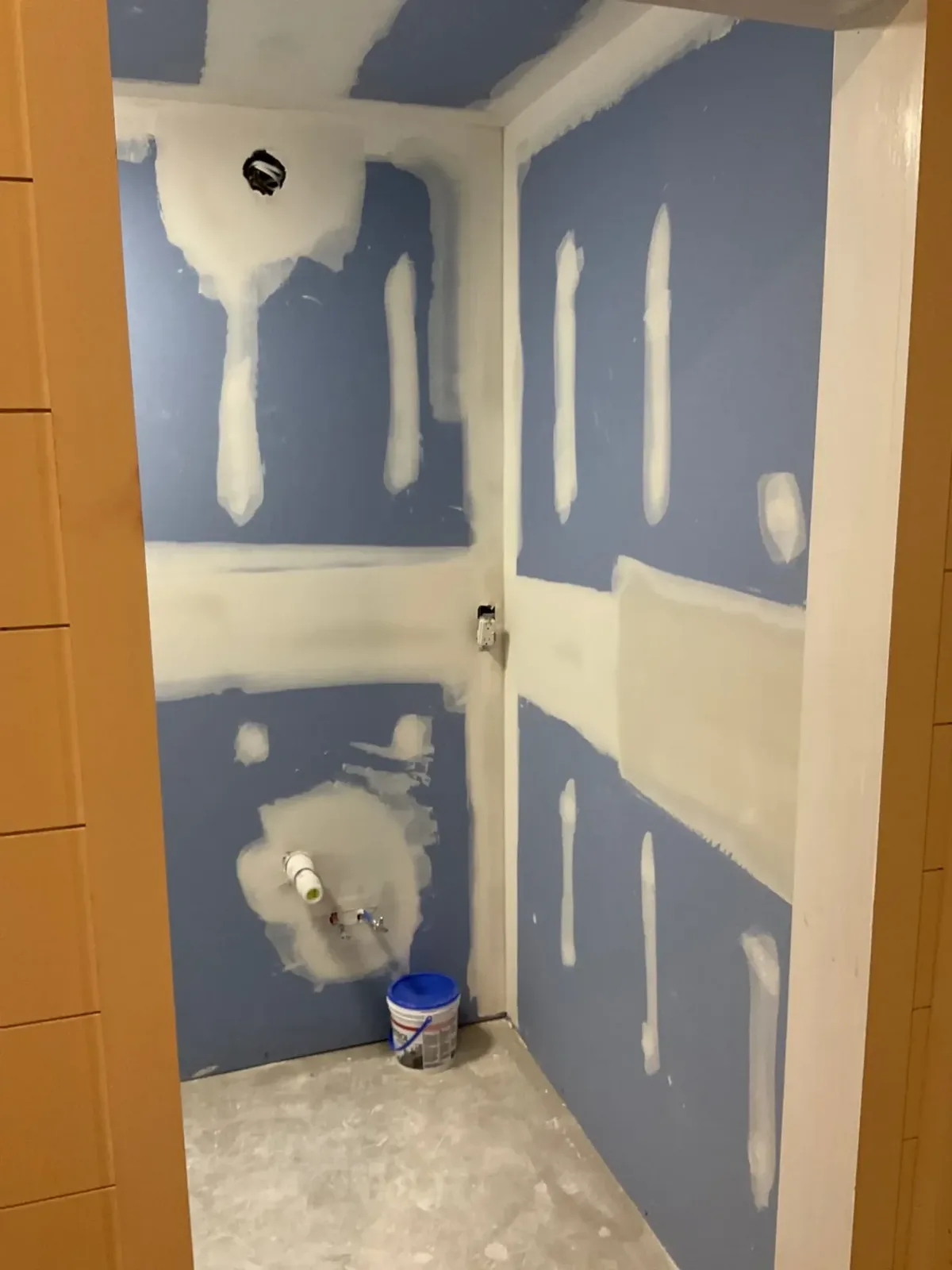
These are the twenty questions Twin Cities homeowners ask us most about drywall repair, answered plainly. If you have a question that is not here, call (763) 290-2786 — we will answer it before you ever get a quote.
Cost and scope
1. How much does drywall repair cost in the Twin Cities?
Every project is priced after a free on-site estimate — Cody walks the job, then gives you a written scope and price before any work starts.
For more on what affects the scope, see our drywall repair cost guide.
2. Why is there a minimum charge for a tiny hole?
Because a small patch still needs travel, materials, three separate mud coats across multiple days, sanding, texture matching, priming, and paint. The hole is the fastest part.
3. Is it cheaper to bundle repairs?
Yes, substantially. Mobilization and setup are fixed. Five patches in one visit cost far less than five separate service calls.
4. Do you repair plaster as well as drywall?
Yes. Older St. Paul and Minneapolis homes have lath-and-plaster walls that require bonding agents and setting-type compound rather than standard drywall technique.
Timing
5. How long does drywall repair take?
Typically 2–4 days elapsed for the compound to cure between coats, even though hands-on time may only be a few hours.
6. Can you finish it in one day?
Sometimes, using fast-setting compound on a small, untextured, low-light repair. On ceilings or textured surfaces, rushing produces a visible patch.
7. Do I need to be home?
Only for access. Most clients give us a code or key and go about their day.
Minnesota-specific problems
8. Why do the same cracks keep coming back?
Because Minnesota framing moves every year. We swing from -25F and bone-dry winter interior air to 90F summer humidity, and drywall follows. Recurring cracks usually need the joint re-taped with a flexible or mesh-reinforced repair, not more mud.
9. What are nail pops and why do I have so many?
Fasteners back out as framing shrinks and expands seasonally. It is normal in Twin Cities homes, especially in the first few years and in ceilings. The fix is to re-fasten adjacent to the pop, remove or set the old fastener, then patch — not simply mud over the bump.
10. I have a brown ring on my ceiling after an ice dam. What now?
Fix the ice dam and any roof or flashing issue first. Then let the cavity dry and moisture-test before closing anything up. Only then do we cut back the damaged board, replace, finish, seal the stain with a stain-blocking primer, and repaint the full ceiling plane.
11. Will paint by itself cover a water stain?
No. Water stains bleed through latex paint. They need a shellac- or oil-based stain-blocking primer first.
12. Is mold a concern?
Any drywall that stayed wet more than 24–48 hours should be removed rather than dried in place. We do not close up damp cavities.
Texture and finish
13. Can you match my ceiling texture?
Yes — knockdown, orange peel, and light popcorn all match well. Heavy or unusual textures sometimes look better with a full-plane re-skim than a spot match.
14. Why can I still see the patch?
Almost always because the repair was built too high and feathered too narrow. A repair needs to feather 12–18 inches beyond the damage so no ridge catches side light.
15. What is a Level 5 finish and do I need it?
Level 5 is a full skim coat over the entire surface, producing a uniformly smooth wall. You need it for high-gloss paints, dark colors, and any wall with strong raking light from large windows.
16. Do I have to repaint the whole wall?
Usually yes, corner to corner. Existing paint has aged and shifted; a spot touch-up on an older wall flashes and shows.
Insurance, DIY, and hiring
17. Does homeowners insurance cover drywall repair?
Sudden accidental damage — burst pipe, appliance failure, many ice dam leaks — is often covered. Gradual seepage and normal settling are generally not. Photograph everything before repairs and get an itemized estimate for the claim.
18. Which repairs can I safely do myself?
Small anchor holes, nail pops on a flat low-light wall, and hairline cracks in a room you plan to repaint anyway. Leave ceilings, anything larger than a fist, textured surfaces, water damage, and pre-1978 homes to a pro.
19. What should I ask a drywall contractor?
Ask how many coats, whether texture matching and priming are included, whether paint is included, how they will contain dust, and what the warranty covers. Ours is 3 years on workmanship.
20. How do I get a fast quote?
Send photos of each damaged area with something for scale, note the ceiling height, and say whether the surface is textured. Most Twin Cities drywall repairs can be quoted accurately from good photos.
Where we work
We provide drywall repair across the Twin Cities metro — Shoreview, Minneapolis, St. Paul, White Bear Lake, Vadnais Heights, Roseville, Maplewood, Arden Hills, New Brighton, Blaine, Mounds View, North Oaks, Lino Lakes, Hugo, and surrounding communities. Owner-operated, fully insured ($1M through Hiscox), 4.9 stars.
Get your repair quoted
Call (763) 290-2786 or send photos through our contact form for a free, itemized estimate.
Explore more
Related Articles
You might also like
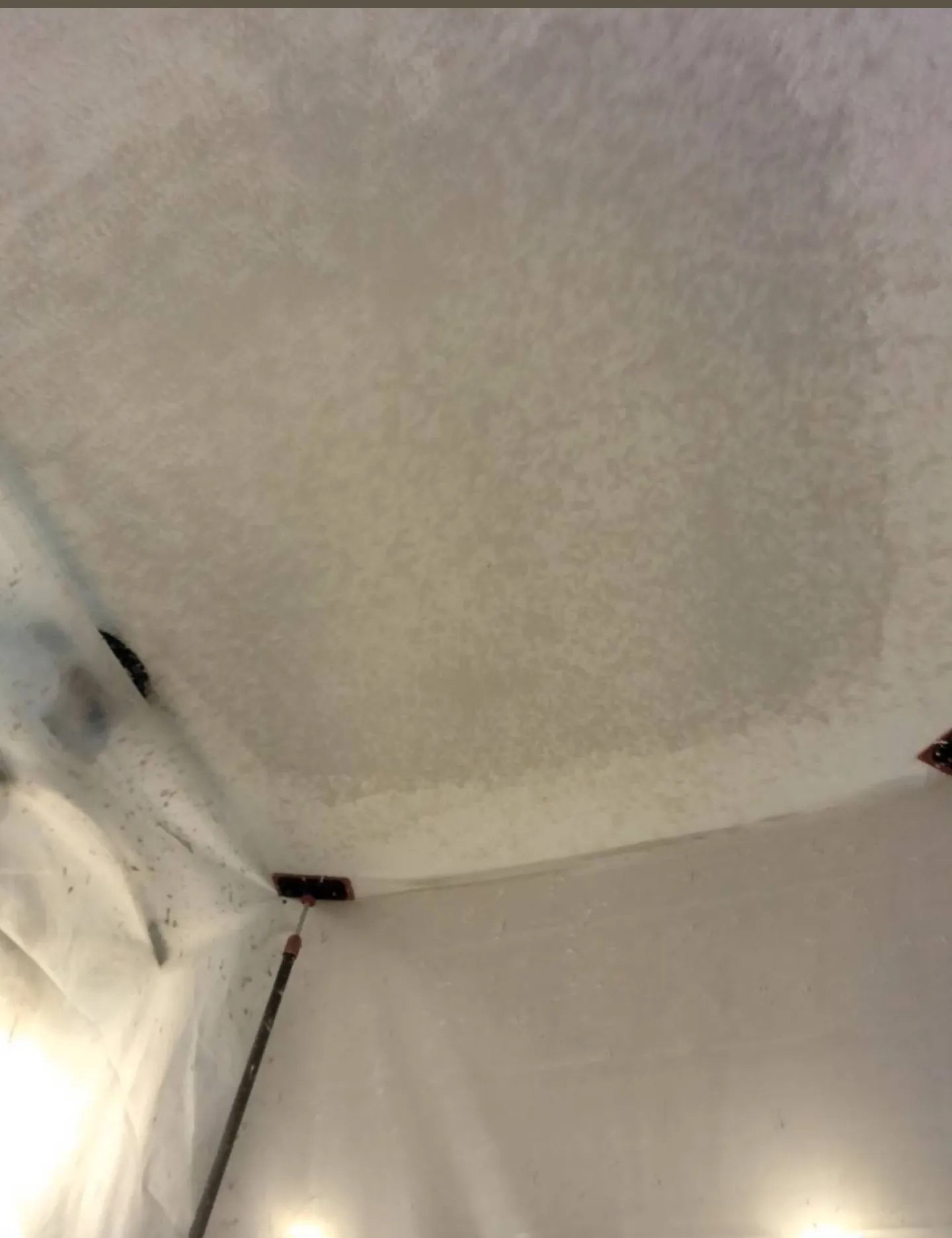
Ice Dam Paint and Drywall Damage: A Twin Cities Repair Guide
September 15, 2026
Ice dams push meltwater under shingles and into walls and ceilings. How to spot the damage, what has to dry out before repainting, and how the repair process actually works.
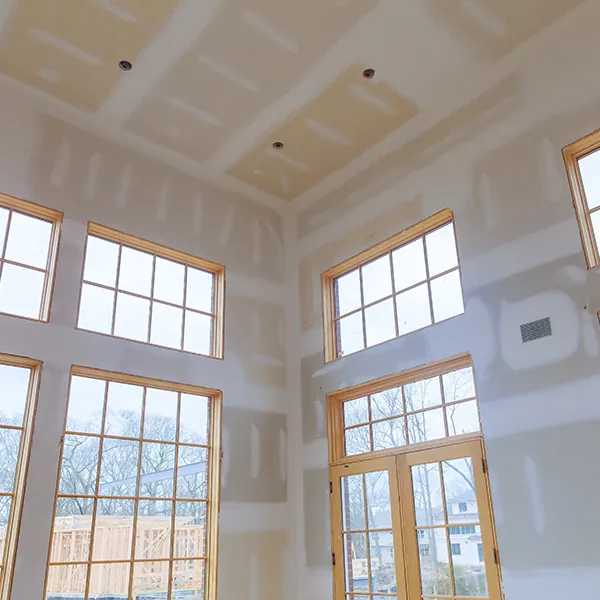
Drywall Repair Cost in the Twin Cities: 2026 Pricing by Job Type
August 14, 2026
Nail pops, water stains, ceiling cracks, and full sheet replacement — what each drywall repair actually costs in the Twin Cities in 2026, and which ones you can safely DIY.
Ready to start your project?
Contact us for a free consultation and estimate for your painting or drywall needs.