
Ice Dam Paint and Drywall Damage: A Twin Cities Repair Guide
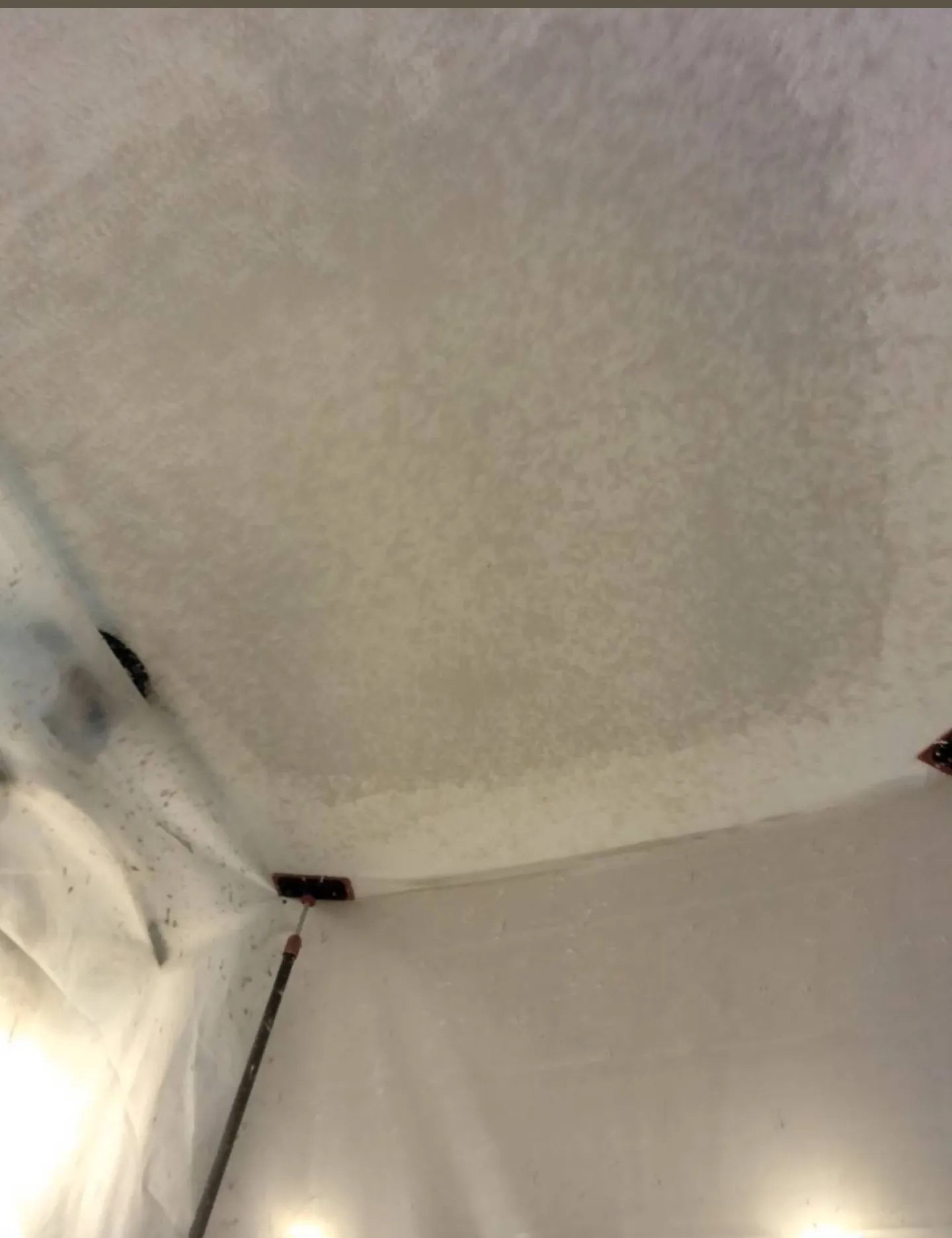
Every few winters, a stretch of cold snaps and thaws lines up just wrong, and ice dams form along eaves across the Twin Cities. The roof problem gets the attention — but by the time a homeowner calls us, the water has already been inside the wall. Here is how ice dam damage shows up in paint and drywall, and how the repair actually works.
What ice dams do to interiors
An ice dam traps meltwater at the roof edge. With nowhere to go, the water backs up under shingles and finds its way into the wall cavity or ceiling. The visible signs inside:
- Brown or yellow water stains on ceilings and upper walls, often near exterior walls
- Bubbling or peeling paint where moisture got behind the coating
- Soft or sagging drywall, especially at ceiling corners
- Cracked or separated tape joints along the wall-ceiling line
The order of operations matters
The single biggest mistake in ice dam repair is painting too soon. Here is the sequence that works:
- Fix the cause first. The roof, insulation, or ventilation issue that created the dam has to be addressed before cosmetic repair, or the stain comes back next winter. We do the paint and drywall work; a roofer or insulation contractor handles the source.
- Confirm it is dry. Wall cavities and ceiling drywall need to be fully dry before closing up or coating over. Painting over damp gypsum traps moisture and grows mold.
- Cut out what failed. Soft, crumbling, or delaminated drywall gets cut back to solid material. Stained but sound drywall can often stay.
- Treat the stain. Water stains bleed through ordinary paint. A stain-blocking primer is required — this is the step that separates a repair that lasts from one that yellows again in a month.
- Patch, texture, prime, paint. Patches are finished to match the surrounding texture, primed, and painted. Ceiling textures are matched so the repair disappears.
Can you match my existing ceiling texture?
In most cases, yes. Knockdown, orange peel, and skip-trowel textures can be matched closely. Heavily painted-over or hand-troweled textures are harder to blend invisibly — sometimes the honest answer is to skim a full ceiling section so the repair does not telegraph.
Does insurance cover ice dam interior damage?
Many homeowner policies cover sudden ice dam damage. Document the staining with photos before any repair, and check with your insurer about your specific coverage. We provide a written, itemized estimate you can submit with a claim.
How soon should stains be repaired?
Once the area is confirmed dry and the roof issue is addressed, sooner is better — stains do not improve, and peeling areas keep growing. Call or text (763) 290-2786 or request a free estimate, and we will take a look and tell you straight whether it is a patch, a prime-and-paint, or a cut-out.
Related Articles
You might also like
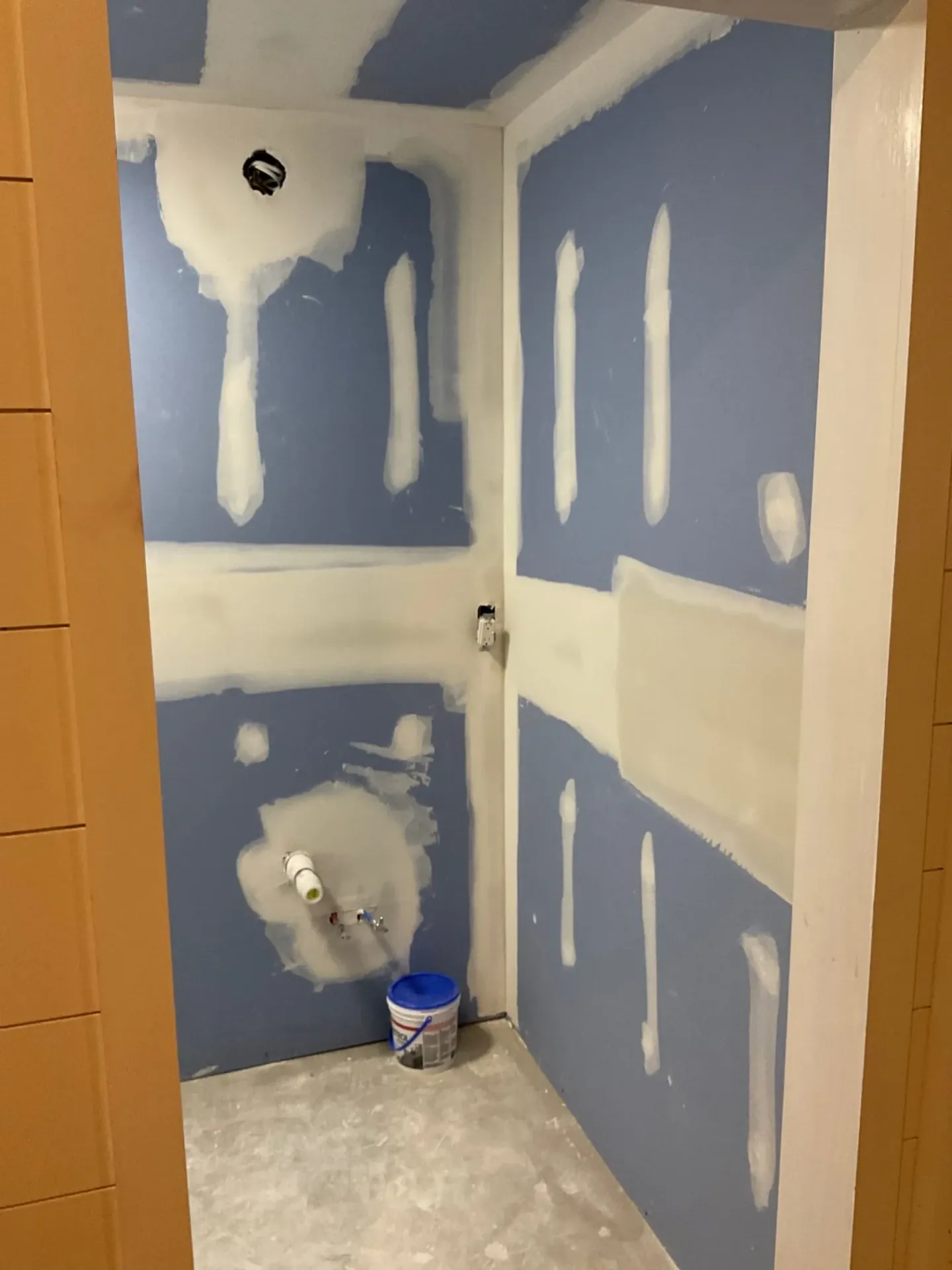
Drywall Repair in the Twin Cities: 20 Homeowner Questions Answered
August 26, 2026
Twenty straight answers about drywall repair in the Twin Cities — ceiling cracks, ice dam stains, texture matching, timelines, insurance, and when a patch is not enough.
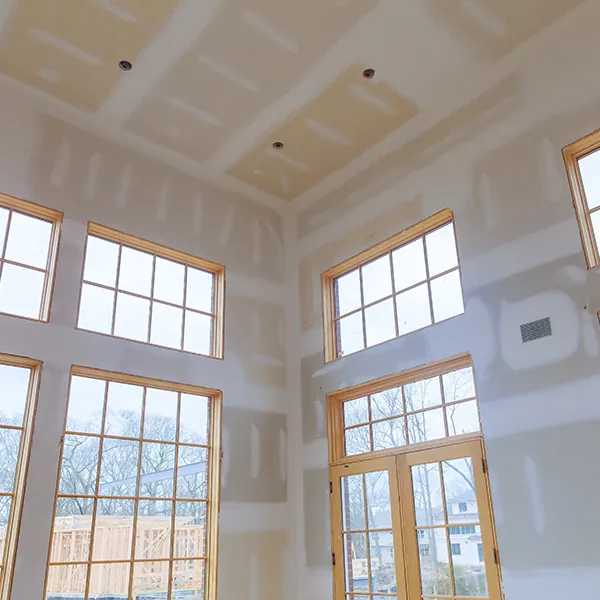
Drywall Repair Cost in the Twin Cities: 2026 Pricing by Job Type
August 14, 2026
Nail pops, water stains, ceiling cracks, and full sheet replacement — what each drywall repair actually costs in the Twin Cities in 2026, and which ones you can safely DIY.
Ready to start your project?
Contact us for a free consultation and estimate for your painting or drywall needs.