Commercial Painting St. Paul MN
Professional commercial painting for offices, retail, apartments, and industrial spaces with flexible scheduling. Serving Summit Hill, Cathedral Hill, Highland Park and all St. Paul neighborhoods.
Commercial Painting Services in St. Paul
Complete commercial painting solutions for St. Paul businesses and commercial properties.
Office Buildings
Interior and exterior painting for professional spaces
Retail Stores
Storefront and interior retail painting
Apartments & HOAs
Multi-unit painting and turnover services
Warehouses
Industrial coatings and floor systems
After-Hours Work
Nights and weekends to minimize disruption
Property Management
Volume discounts and priority scheduling
St. Paul Commercial Expertise
We walk the project and review the proposed prep, materials and schedule before work begins.
Business Continuity
- After-hours and weekend scheduling
- Phased work for occupied spaces
- Low-odor, fast-drying paints
- Minimal business disruption
Professional Standards
- $1M liability insurance
- COI provided after estimate approval
- We are on site for every project
Property Manager Program
- Volume discounts up to 15%
- 48-hour priority response
- Quick-turn turnovers
- Direct owner contact
St. Paul Neighborhoods We Serve
Serving all of St. Paul (55104) and surrounding Twin Cities communities.
Why St. Paul Businesses Choose Us
Owner-Operated
Owner-operated. Never subcontracted.
Fully Insured
$1M liability coverage for your protection
Rated 4.9 on Google
See current customer ratings and reviews on Google.
Written Scope
Review the proposed work before scheduling.
3-Year Warranty
Ask us about the written warranty for your project.
Local Company
Based right here in Shoreview
Local planning for St. Paul
Commercial painting needs to fit the way a property operates. The appearance matters, but so do customer access, tenant communication, equipment protection and the point at which each space can reopen. Advanced Painting Services provides painting for offices, retail spaces, apartments and industrial properties. A St. Paul commercial estimate should begin with the surfaces involved and the people who use them. From there, the work can be discussed in terms of preparation, products, access and scheduling instead of a broad promise to make disruption disappear.
The existing St. Paul service information identifies neighborhood storefronts, offices and mixed-use properties as local commercial settings. Those categories are useful context, not a reason to assume every building has the same layout or finish needs. A customer-facing entrance and a quiet office may need different preparation and work windows. In a mixed-use property, the plan also needs to distinguish business areas from other occupied spaces. Describe the building as it operates now so the proposal reflects actual access needs rather than a generic commercial template.
Common projects in St. Paul
Office projects can cover reception areas, meeting rooms, individual offices and shared circulation spaces. Specify which walls, ceilings, doors and trim are included. High-touch areas may need more cleaning or repair than lightly used rooms, even when the colors are staying similar. Consider furniture, records and equipment when planning access. A room-by-room sequence may be worth discussing, but the workable order depends on what can be moved and which spaces must remain available.
Retail and storefront painting brings public-facing surfaces into focus. Entry areas, sales spaces and exterior elements should be described separately, with attention to opening hours and customer routes. Discuss where merchandise will remain and what needs protection or relocation. A fresh finish should be chosen for the substrate and expected cleaning, not only for the desired brand color. If signage or other work is also being considered, identify it separately rather than treating every visible element as automatically included.
Apartment and common-area painting requires clarity about occupancy and responsibility. A vacant unit turnover is different from an occupied hallway or shared entrance. Note which spaces are empty, when access is available and who communicates with residents. List doors, trim, ceilings and repair needs alongside the walls. If several units are involved, consistent product and color records can help the property manager describe the scope. Similar room layouts do not necessarily mean identical preparation or completion requirements.
Warehouse, workshop and service-area projects should start with the conditions surfaces face. Identify routine impacts, dirt, moisture concerns and cleaning methods. Discuss equipment and materials that cannot be moved easily, as well as operational routes through the area. Industrial coatings and floor systems appear in the published commercial offering, but a floor system is not implied by a wall-painting request. Define those surfaces and their intended service separately so coating choice, preparation and reopening instructions can be evaluated properly.
Planning the work at your property
Prepare a surface list before requesting a schedule. Separate walls, ceilings, doors, trim, exterior surfaces and any floor work. Mark damaged areas, loose material, staining and previous coating problems. Active moisture or another unresolved cause needs attention before new paint covers it. Photos and measurements can help organize the conversation, but the site walkthrough is where access, substrate condition and the practical limits of the scope should be reviewed.
Make an operations checklist with the person who manages the property each day. Discuss keys, alarms, delivery periods, customer traffic, tenant notices and any quiet hours. Identify routes that must stay clear and rooms that cannot be taken out of use together. Phased work may help preserve access, but it needs a workable sequence. Agree on responsibilities for moving contents and protecting equipment so the painting schedule does not depend on assumptions about who will clear the space.
After-hours and weekend work are available in the published service offering. Raise those preferences early, then confirm the actual work windows in the project schedule. Closing time alone does not establish a usable painting window: preparation, ventilation, drying and the next day's operations all matter. Low-odor and fast-drying products can be considered, but low odor does not remove ventilation needs. Discuss occupants who may be sensitive to coatings before choosing products or assuming immediate reoccupation.
Product selection should connect the existing surface to its future use. Ask about cleaning, repair, primer and finish requirements rather than comparing paint names alone. A coating suitable for a lightly used office wall may not be the right choice for a frequently cleaned service area. Color and sheen also affect the finished appearance and future touch-ups. Record the approved selections and use them alongside the surface list when reviewing the completed work.
At closeout, compare the completed surfaces with the agreed scope, identify touch-ups and confirm cleaning instructions. Discuss property-specific insurance documentation during planning; the published service information lists liability coverage and certificate availability.
What drives the price in St. Paul
Commercial painting prices need a defined scope. Surface area, ceiling height, existing condition, repair work, coating requirements and access restrictions all influence the estimate. An occupied property with phased access is a different planning problem from an empty space, even if the wall area is similar. Request a free estimate that describes preparation, products, included surfaces and scheduling assumptions. For multiple areas, separate required work from optional updates so decisions can be made without confusing a smaller scope with a lower price for the same work.
Recent projects in St. Paul
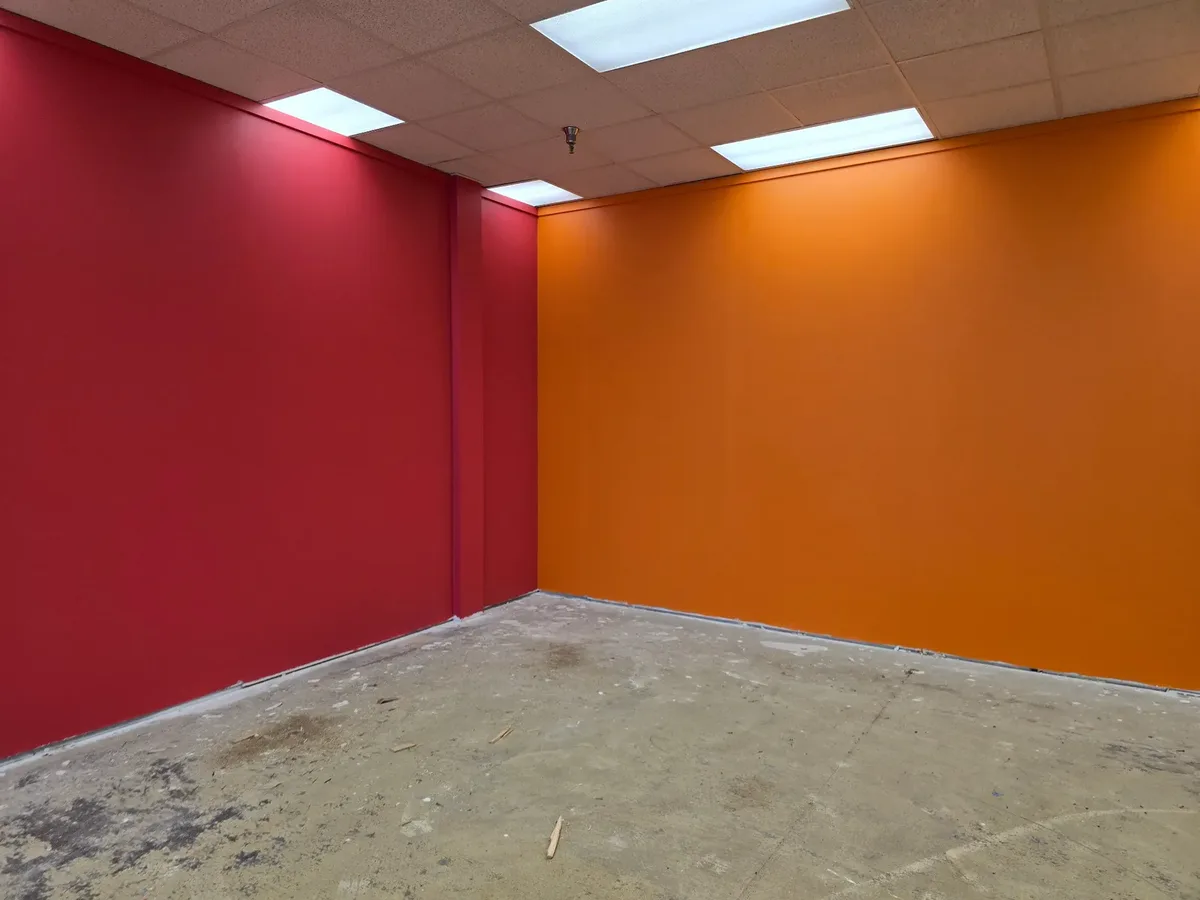
Modern Office Space with Vibrant Color Scheme
Modern office space with a curated vibrant color scheme. Feature walls, collaborative zones, and branded color accents throughout.
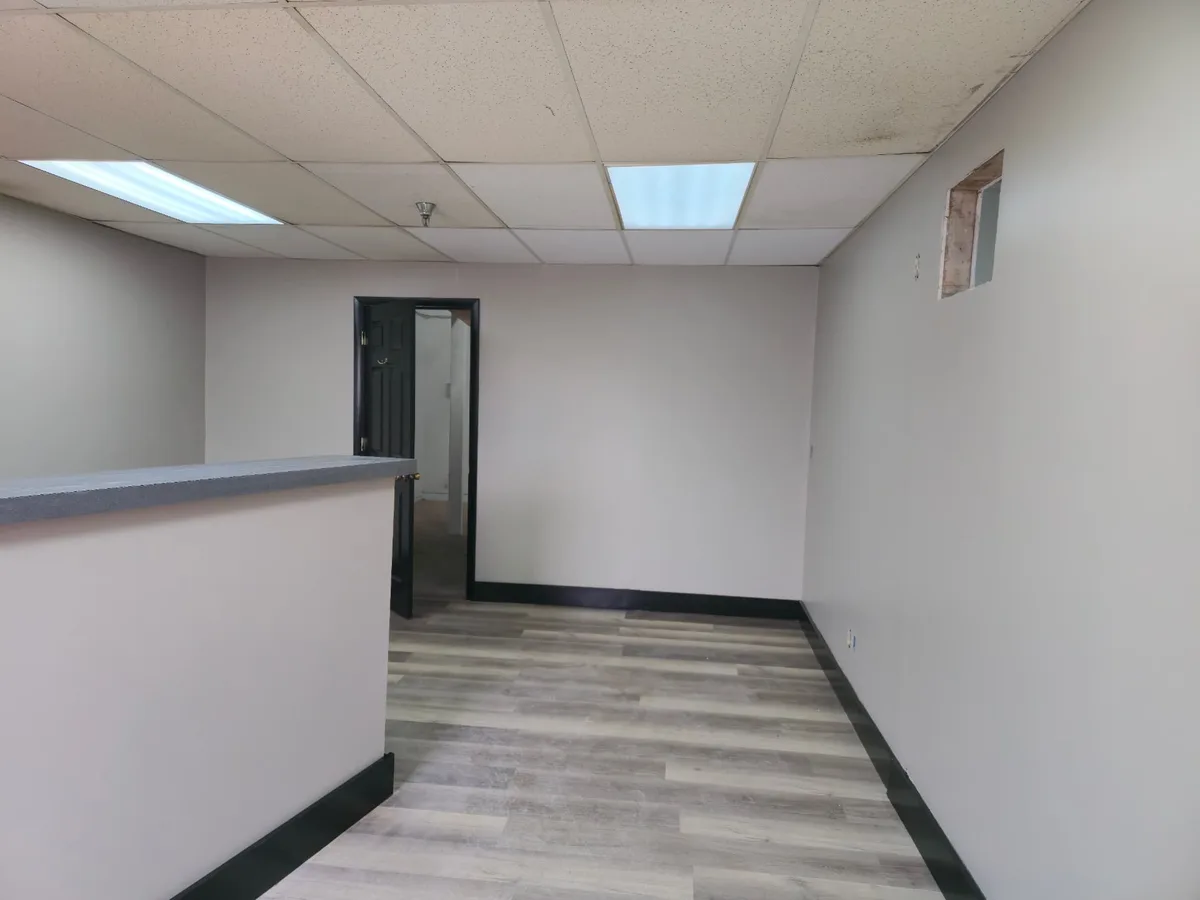
Office Suite Interior Repaint
Office suite walls repainted in a bright neutral finish with dark baseboards for contrast. Drop ceiling grid and fixtures protected throughout the project.
For offices, retail and other commercial spaces in St. Paul, including Summit Hill, Cathedral Hill, Highland Park, we walk the property and discuss access and scheduling before putting together a written scope. Ask about a certificate of insurance if your property requires one.
Commercial Painting Questions in St. Paul
Common questions about commercial painting services in St. Paul, MN
Related Services in St. Paul
Pair your project with these commonly combined services—handled by the same owner-operator.
Interior Painting in St. Paul
Walls, ceilings, trim, and full-room repaints for St. Paul homes.
Explore Interior PaintingExterior Painting in St. Paul
Weather-resistant siding, trim, and deck finishes for St. Paul.
Explore Exterior PaintingCabinet Refinishing in St. Paul
Factory-smooth spray finish on kitchen and bathroom cabinets.
Explore Cabinet RefinishingDrywall Repair in St. Paul
Patches, holes, and texture matching before paint goes up.
Explore Drywall RepairGarage Floor Coatings in St. Paul
Epoxy and polyaspartic coatings built for Minnesota winters.
Explore Garage Floor CoatingsMore Services in St. Paul
Ready for Commercial Painting in St. Paul?
Get your free estimate from us, an owner-operated painter serving St. Paul.