
How to Choose a Painting Contractor in St. Paul: 12 Questions to Ask
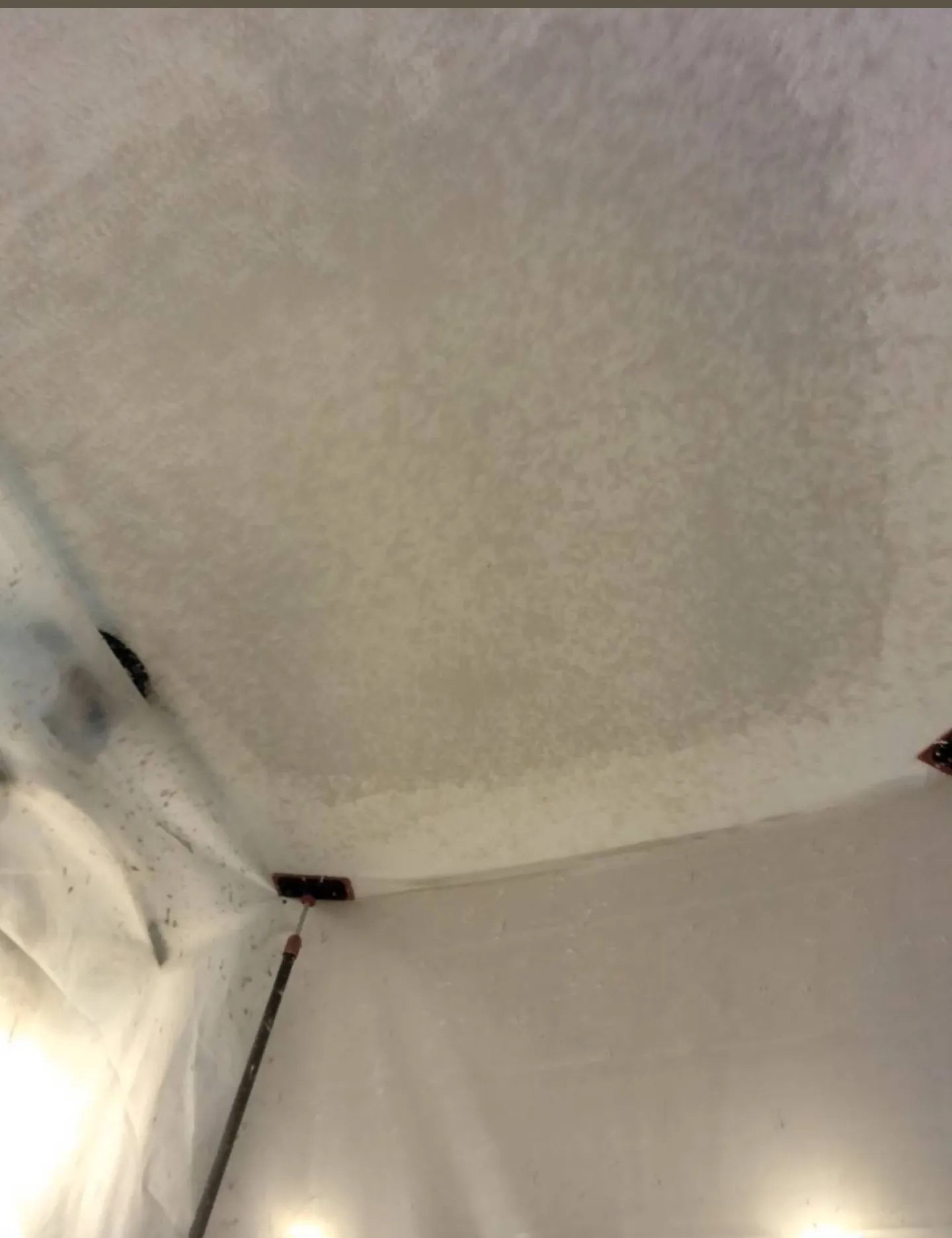
St. Paul has some of the oldest housing stock in Minnesota. Summit Hill, Cathedral Hill, Macalester-Groveland, Highland Park, and the East Side are full of homes built before 1940 — which means plaster, lead paint, original woodwork, and moisture problems that a general-purpose painter will not recognize. Choosing the right painting contractor in St. Paul matters more here than almost anywhere else in the metro.
Here are the twelve questions to ask before you sign anything.
1. Are you EPA Lead-Safe certified?
Any home built before 1978 is presumed to contain lead paint, and the majority of St. Paul's housing predates it. Federal RRP rules require Lead-Safe certified firms for disturbing painted surfaces in those homes. This is not optional and it is not a formality — improper sanding of lead paint contaminates a house. Ask for the certification number.
2. Who is actually doing the work?
Many companies sell the job with an experienced estimator and then send a rotating subcontractors. Ask directly: is the person quoting this job on site? Cody Morrison bids every job, is on every project with a small in-house crew, and walks it with you at the end — including whole-home and commercial projects. Never subcontracted.
3. Can you show me proof of insurance?
Ask for a certificate of insurance naming the carrier and coverage amount, not a verbal answer. Ladders, sprayers, and interiors full of your belongings are real exposure. We carry $1M general liability through Hiscox.
4. How will you handle the plaster?
Old St. Paul homes have lath-and-plaster walls that behave nothing like drywall. Plaster cracks along lath lines, delaminates from the lath, and cannot be patched with the same technique. Ask what they use — a competent contractor will talk about setting-type compound, mesh or bonding agents, and re-anchoring loose plaster rather than just skimming over cracks.
5. What are you doing about the original woodwork?
Much of St. Paul's pre-war trim is either original stained oak or has been coated in decades of oil-based enamel. Painting over old oil without deglossing and a bonding primer guarantees peeling within two years. Ask specifically what primer they use over aged oil-based finishes.
6. What is your prep process, step by step?
Prep is 60–70% of a durable paint job. You should hear: wash or degrease, scrape loose material, sand, patch, caulk gaps, spot-prime bare and repaired areas, mask, then paint. If prep is described in one sentence, that is what you will get.
7. How many coats, and is that in the price?
Two finish coats over properly primed surfaces should be standard. Some bids look cheap because they are one coat. Get the coat count in writing.
8. What exact products will you use?
"Premium paint" is not an answer. You want the brand, product line, and sheen per surface — for example, Sherwin-Williams Emerald in matte on walls and Benjamin Moore Advance in satin on trim. Products can be looked up; adjectives cannot.
9. What does your warranty cover and for how long?
A workmanship warranty should cover peeling, blistering, and adhesion failure — the things that indicate bad prep. We provide a 3-year warranty in writing on our work. Ask what voids it and who honors it if the company changes hands.
10. Can I see recent local work and reviews?
Ask for photos of projects in St. Paul specifically, not generic portfolio shots. Then read reviews looking for patterns in how problems were handled, not just star counts. We hold a 4.9-star rating across Twin Cities clients.
11. How will you protect my house?
Drop cloths on every walking path, plastic on furniture, HVAC returns covered during sanding, and daily cleanup. Old St. Paul homes have gaps in floors and registers that carry dust everywhere if the site is not sealed properly.
12. What is your payment schedule?
A reasonable structure is a modest deposit and the balance on completion, possibly with a progress payment on large projects. Be cautious about any contractor asking for a large percentage up front, and never pay the full amount before the final walkthrough.
Red flags in St. Paul painting bids
- No written scope — just a number
- Pressure to sign today for a "this week only" discount
- No lead-safe discussion on a pre-1978 home
- Unwilling to name products
- A bid dramatically below three others: something was left out, and it is almost always prep
- No physical address, no insurance certificate, no license to look up
A note on licensing in Minnesota
Minnesota does not require a separate painting license for painting-only work. What matters instead is insurance, EPA Lead-Safe certification for older homes, and a verifiable local track record. If a contractor waves a "license" as their main credential, ask what it actually covers.
Comparing three bids fairly
Line the bids up on the same grid: surfaces included, coat count, product line, prep steps, drywall or plaster repair allowance, warranty length, and timeline. Once the scope is normalized, the price differences usually make sense — and sometimes the highest bid turns out to be the only complete one.
Frequently asked questions
How much should painting cost in St. Paul?
Interior repaints generally run $3.00–$6.50 per square foot of floor area including ceilings and trim. Older homes with plaster and heavy trim sit at the upper end.
Should I get three quotes?
Yes — but insist all three include the same scope, otherwise you are comparing different projects.
How far ahead should I book?
Exterior season in Minnesota is roughly mid-May through mid-October and books out weeks in advance. Interior work is available year-round and is easiest to schedule from January through March.
Talk to the owner directly
When you call Advanced Painting Services at (763) 290-2786, you talk to Cody — the person who will be on your job. Free estimates, itemized scope, and a 3-year warranty on every project.
Explore more
Ready to start your project?
Contact us for a free consultation and estimate for your painting or drywall needs.